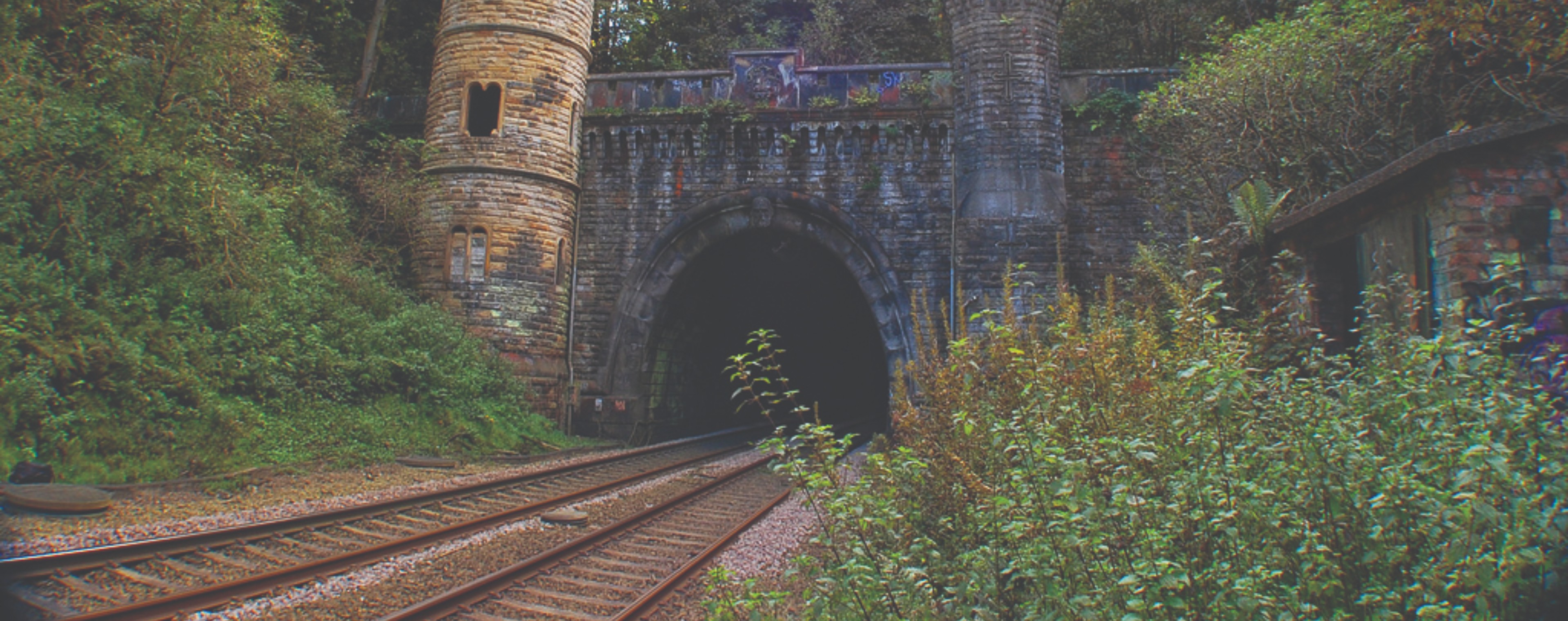

Constructed from 1845 to 1849, Bramhope Tunnel is one of the wonders of Victorian rail engineering, however, water pouring through faults in the sandstone was a major hazard and was one of the reasons that 24 of the 2,300-strong original total workforce lost their lives during its construction. The tunnel also cost over £2 million, more than four times the original estimate.
150 years on and the water still caused significant ponding around the track bed, forcing a 47km/hr speed limit through this 3.6km section of the main rail link between Leeds and the Thirsk area. This, combined with the fact that 50 years of maintenance had raised the track level by some 200mm and reduced train clearance to a bare minimum, necessitated a major £10 million rebuild within the tunnel. The main contractor, Corus Rail Consulting, approached Polypipe CGU to design and manufacture a drainage system to replace the stone-built Victorian box culvert.
Constructed from 1845 to 1849, Bramhope Tunnel is one of the wonders of Victorian rail engineering, however, water pouring through faults in the sandstone was a major hazard and was one of the reasons that 24 of the 2,300-strong original total workforce lost their lives during its construction. The tunnel also cost over £2 million, more than four times the original estimate.
150 years on and the water still caused significant ponding around the track bed, forcing a 47km/hr speed limit through this 3.6km section of the main rail link between Leeds and the Thirsk area. This, combined with the fact that 50 years of maintenance had raised the track level by some 200mm and reduced train clearance to a bare minimum, necessitated a major £10 million rebuild within the tunnel. The main contractor, Corus Rail Consulting, approached Polypipe CGU to design and manufacture a drainage system to replace the stone-built Victorian box culvert.